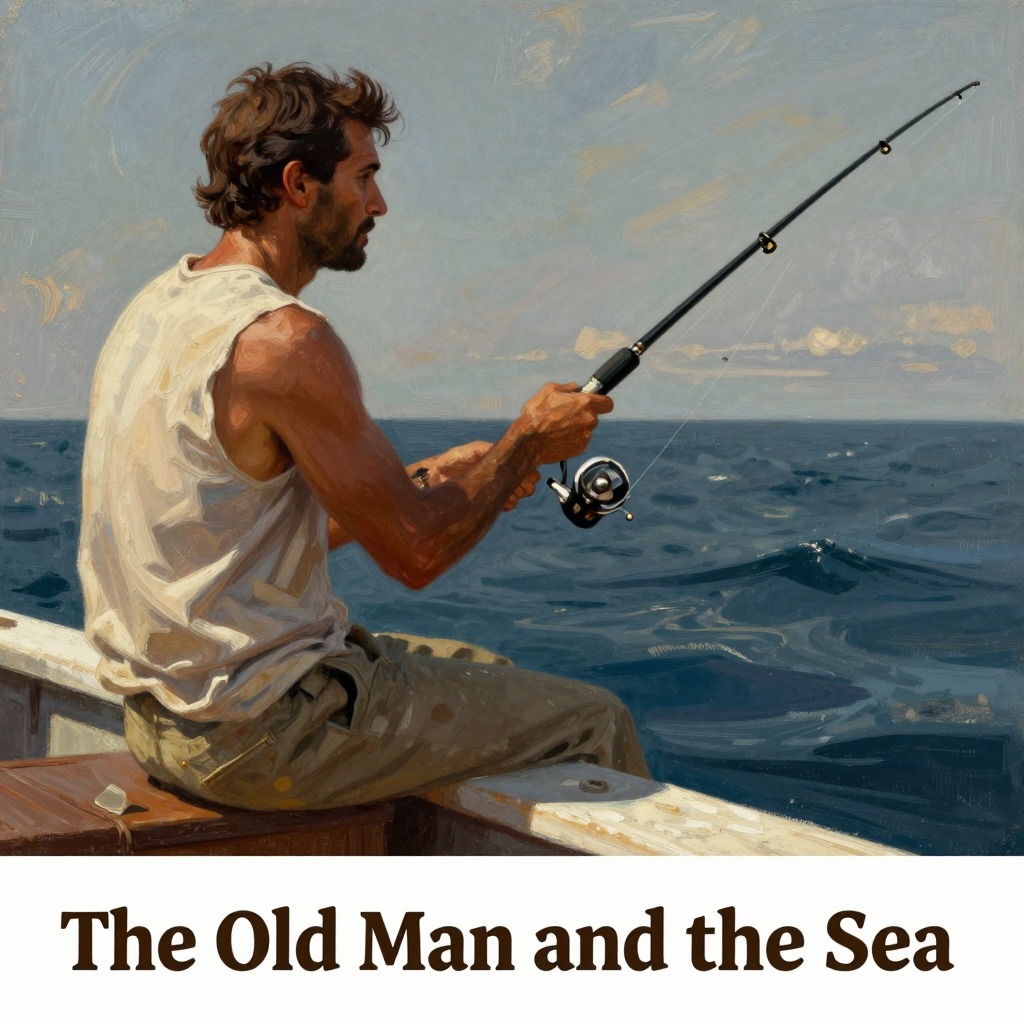
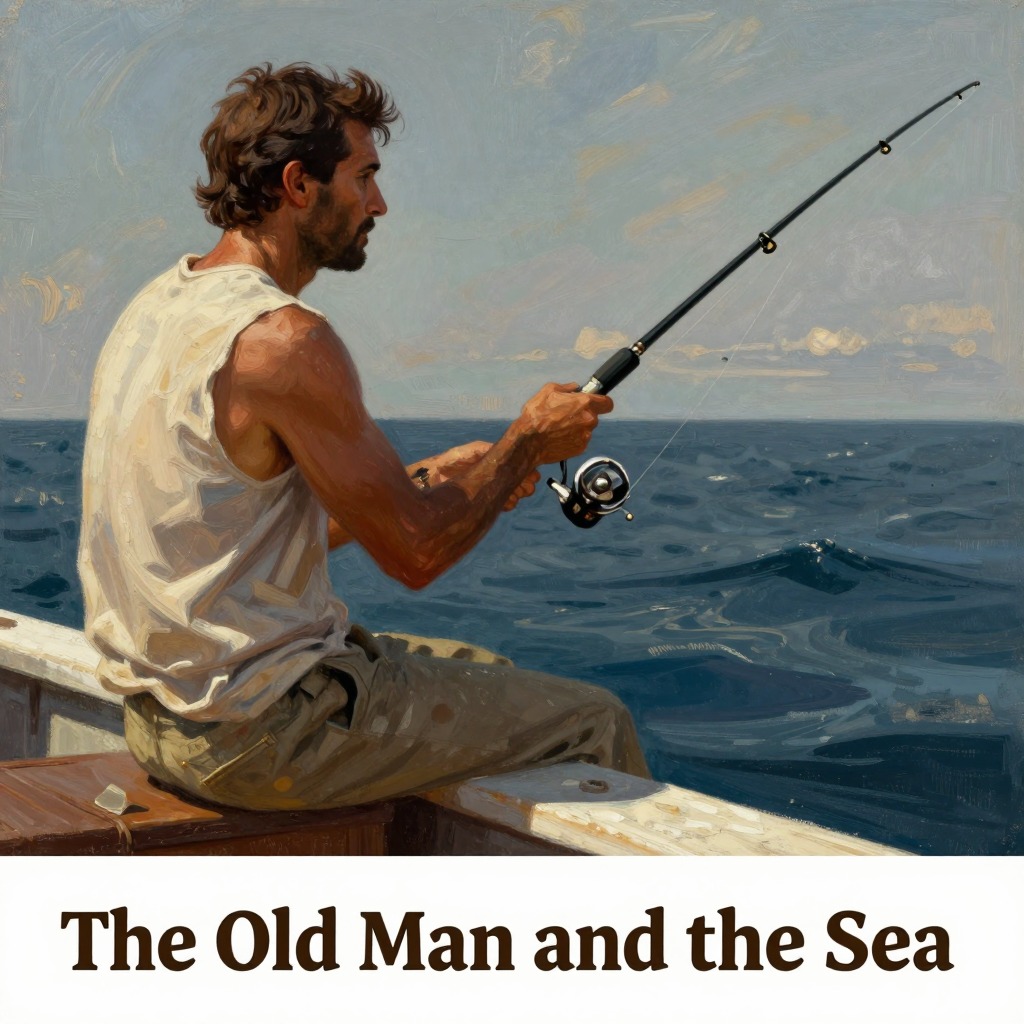
No unnecessary talking at sea
No unnecessary talking at sea is a deeply ingrained, unwritten rule among the fishermen of Havana, a code of conduct that Santiago has always considered a virtue and respected throughout his life. The rule dictates that when men are fishing together, they speak only when necessary, reserving conversation for night or when storm-bound by bad weather. This practice is not merely a matter of preference but a mark of professionalism and respect for the sea, a discipline that separates the serious fisherman from the amateur. Santiago's adherence to this code is so complete that he does not even remember when he first started talking aloud to himself when alone, noting that he had probably begun after the boy, Manolin, had left him to fish on another boat. The old man's internal monologue, which becomes a central feature of his ordeal, is a direct consequence of this enforced silence, a private world of thought and prayer that replaces the communal speech of the fishing grounds.
The Virtue of Silence and the Code of the Fisherman
The rule against unnecessary talking is presented as a foundational element of the fisherman's code, a set of unwritten laws that govern behavior at sea. Santiago, who has fished his entire life, internalizes this code completely. When he and the boy fished together, they usually spoke only when it was necessary, a habit that Santiago considers a virtue. This silence is not born of hostility but of a deep understanding that the sea demands focus and respect. The old man's respect for this rule is so profound that he feels a need to justify his own later habit of talking aloud, thinking that if others heard him, they would think he is crazy. His justification—that he is not crazy and therefore does not care—underscores how deeply the social norm of silence is embedded in the fishing community. The rule also serves a practical purpose: it conserves energy, maintains concentration, and avoids distracting from the task at hand, which is the relentless pursuit of fish.
Santiago's Solitary Speech: A Departure from the Rule
Once Santiago is alone on the skiff, far out in the Gulf Stream, the rule of silence is gradually replaced by a constant, running dialogue with himself, the fish, the birds, and the sea. This shift is a direct result of his isolation. He first speaks aloud to comment on the man-of-war bird, saying, "He's got something. He's not just looking." This initial utterance is a practical observation, but it quickly evolves into a more personal and philosophical conversation. He speaks to the marlin, urging it to eat, declaring his love and respect, and vowing to kill it. He speaks to his own cramped hand, scolding it and commanding it to work. He speaks to the small warbler that rests on his line, offering it shelter. This speech is not a violation of the old code but a necessary adaptation to his extreme circumstances. It becomes a tool for maintaining his sanity, a way to externalize his will and his suffering, and a means of forging a relationship with the natural world that surrounds him. The old man's prayers, spoken aloud, are another form of this solitary speech, a ritualistic attempt to influence fate.
The Rule's Thematic Significance: Isolation, Endurance, and the Inner Life
The contrast between the rule of silence and Santiago's later loquaciousness highlights the central theme of isolation and the human need for connection. The rule, when followed by a crew, fosters a shared, unspoken understanding. When broken by a solitary man, it reveals the depths of his loneliness and his struggle to endure. Santiago's speech is not idle chatter; it is a form of endurance, a way to keep his mind clear and his spirit unbroken. He uses speech to encourage himself, to analyze his situation, and to express the complex emotions—love, respect, pity, and determination—that he feels for the marlin, which he calls his brother. The rule of silence, therefore, serves as a narrative device that amplifies the old man's solitude. When he finally returns to the harbor and speaks with Manolin, the return to normal, necessary conversation is a relief, a re-entry into the human community. The old man himself notes "how pleasant it was to have someone to talk to instead of speaking only to himself and to the sea." The rule of silence, in the end, is a measure of the distance between the ordinary world of the Terrace and the extraordinary, solitary ordeal of the sea, a distance that Santiago has crossed and returned from, carrying only his story and his ruined fish.